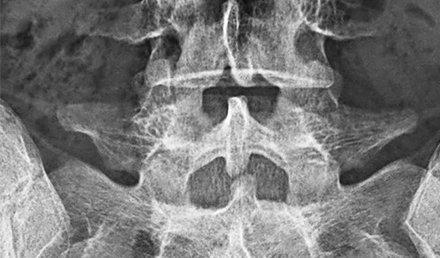
Acute Compartment Syndrome—An Urgent Care Review

Acute Compartment Syndrome—An Urgent Care Review

Urgent message: Acute compartment syndrome (ACS) is an important high-risk diagnosis to exclude when evaluating peripheral extremity injury. Providers must maintain a high clinical index of suspicion with careful attention to the history and mechanics of injury in an urgent care setting to preclude the devastating, rapidly developing sequela of ACS. Missing a case of ACS may result in significant morbidity—and even mortality. Awareness of both subtle and overt signs will ensure the best care …

Read More
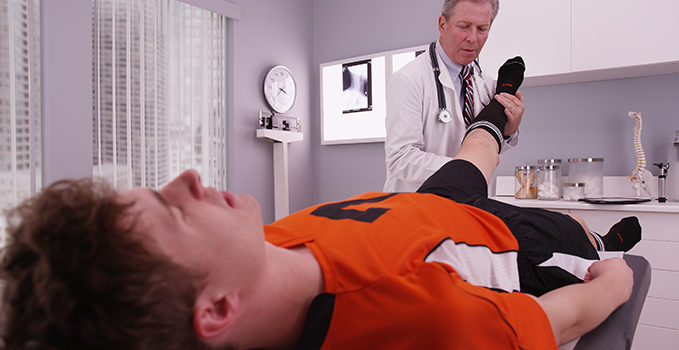
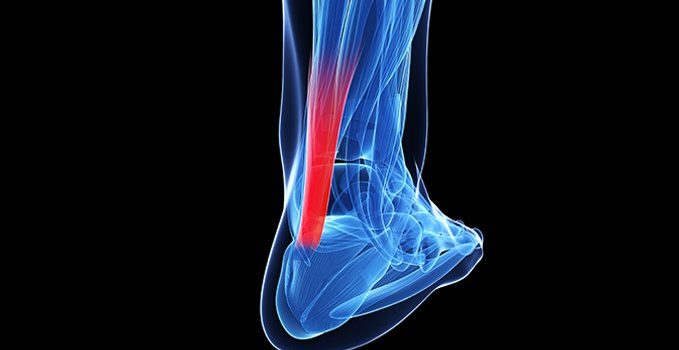
An Uncommon Mechanism for Work-Related Total Achilles Tendon Rupture

An Uncommon Mechanism for Work-Related Total Achilles Tendon Rupture

Urgent message: This is a really big deal to urgent care clinicians and operators. Introduction Achilles tendon (AT) ruptures account for approximately 40% of all operative tendon repairs.1,2 With 18 ruptures per 100,000 people, it is the most frequently ruptured tendon—and the incidence of AT ruptures has been steadily increasing over the past few decades.1–4 Typical patients include athletic males between the ages of 30 and 50.3 Because the AT is the strongest, yet most …

Read More

Abstracts in Urgent Care – April 2017

Lessons from Recent Terrorist Attacks Key point: Investment, integration, standardization, and focus on translating military knowledge. Citation: Goralnick E, Van Trimpont F, Carli P. Preparing for the next terrorism attack: lessons from Paris, Brussels, and Boston. JAMA Surg. 2017 Jan 25. [Epub ahead of print] This viewpoint article in JAMA Surgery sheds light on the need for a more global concerted effort to gather and share lessons from recent terrorist attacks such as those that …

Read More

Patient Satisfaction: A Collaborative Approach

Patient satisfaction surveys have driven a contentious wedge between management and clinical teams. While management is tasked with ensuring the practice is addressing patient needs and evolving consumer demands, providers are far more concerned with doing the right thing clinically (satisfaction be damned). However, with patient expectations changing, access to care improving, and practice economics eroding, we have to find a way to bridge this issue or we will quickly find ourselves locked in counterproductive …

Read More

Hey, Mr. Tax Man!

It’s tax time again and that got me thinking. And thinking got me angry. And angry got me belligerent. And belligerent got me nowhere. So, I went back to thinking about it, and here’s my take: Taxes are the contributions we make to society and the government so that it functions reasonably well, preserves our fragile democracy, and supports those who need our help. Yet, as a physician in a primary care specialty, like many …

Read More

Abstracts in Urgent Care March 2017

Clindamycin Reduces Resistance to Group A Strep Key point: Another use for clindamycin. Citation: Andreoni F, Zurcher C, Tamutzer A, et al. Clindamycin affects group A streptococcus virulence factors and improves clinical outcome. J Infect Dis. 2017;215(2):269-277. Necrotizing fasciitis is a life-threatening infection not frequently seen in the urgent care center, though it does occur. This article from the Infectious Diseases Society of America discusses the importance of adding clindamycin to the treatment regimen. No …

Read More
Pediatric Elbow Assessment: An Urgent Care Approach

Pediatric Elbow Assessment: An Urgent Care Approach

Urgent message: While pediatric elbow injuries can be a simple fix in an urgent care setting, understanding mechanism of injury and recognizing cases where referral is warranted help ensure positive outcomes. Pediatric musculoskeletal injuries comprise approximately 12% of the 10 million annual visits to urgent care centers and emergency departments in the United States. History, physical exam and proper imaging remain the mainstay of diagnosis and treatment of many orthopedic related chief complaints. The purpose …

Read More
An Uncommon Mechanism of Work-Related Partial-Thickness Triceps Tear

An Uncommon Mechanism of Work-Related Partial-Thickness Triceps Tear

Urgent message: Triceps tears are an uncommon acute injury that can occur from multiple mechanisms, including direct trauma. Assessment of these injuries requires obtaining a medical history and exam and a knowledge of characteristic diagnostic imaging findings. Early diagnosis and identification in patients presenting to an urgent care center is critical to ensure that appropriate treatment is initiated in a timely fashion. Introduction Triceps tendon (TT) tear is the least common of all tendon injuries …

Read More

Glass in Foot

Case The patient is an 8-year-old boy with pain in the right foot for the last several hours. He refuses to walk on the foot. There is no reported injury. On physical exam, you find there is a normal appearance to the foot (no erythema,  swelling). However, there is pain with palpation over the plantar aspect of the mid aspect of the right foot. View the image taken (Figure 1) and consider what your diagnosis …

Read More
Log In