

Pediatric Vaccine Hesitancy in Families Seeking Care in Urgent Care Centers
Urgent Message: Despite national recommendations regarding childhood vaccination, some parents are hesitant or refuse to vaccinate their child. This survey assessment presents parents’ perceptions of vaccination and the scope of undervaccination in a pediatric urgent care population. Stacy B. Buchanan, DNP, APRN, CPNP-PC; Brooke Cherven, PhD, MPH, RN; Betsy Dye, MS, CPNP-PC, NPD-BC, EBP-C; Temima Oratz, BSN, RN, EBP-C; Margaret Gettis, DNP, APRN, CPNP-PC, EBP-C Keywords: vaccine hesitancy; childhood immunization; undervaccination; measles-mumps-rubella vaccine; varicella vaccine; pediatric urgent care Abstract Background: Adherence with the standard practice of vaccinating pediatric patients remains …
Read More
Read More

The Impact of an Urgent Care Point-of-Care Ultrasound Program on Patient Transfers to the Emergency Department
Urgent Message: Training urgent care providers to use point-of-care ultrasound resulted in fewer patient transfers to the emergency department for soft tissue/musculoskeletal and first-trimester pregnancy complaints, while also streamlining care in this single-center program. Keywords: point-of-care ultrasound; urgent care; emergency department transfer; soft tissue infection; musculoskeletal complaints; first-trimester pregnancy Lindsey E. Fish, MD, FCUCM; Genie Roosevelt, MD; Amanda G. Toney, MD Abstract Introduction: The use of point-of-care ultrasound (POCUS) is expanding into multiple clinical areas as it has been shown to improve patient outcomes and satisfaction, and decrease length of …
Read More
Read More

Application of an Algorithmic Prediction Model to Determine the Utility and Financial Viability of Tympanometry as a Diagnostic Tool in Urgent Care
Urgent Message: The prediction model developed for this study suggests that tympanometry may have value in evaluating cases of possible acute otitis media or acute hearing loss in urgent care centers. Jeff Lacour, MD; John Weissert; Dan Frankowski; Demetrio Aguila III, MD; Joshua Russell, MD Keywords: tympanometry; acute otitis media; otitis media with effusion; sudden sensorineural hearing loss; conductive hearing loss; urgent care Abstract Introduction: Tympanometry is a well-validated and rapid tool for assessment of tympanic membrane mobility. Despite American Academy of Pediatrics and American Academy of Otolaryngology guidelines endorsing …
Read More
Read More

The Effect of Computer Use in the Exam Room on Patient Satisfaction in Urgent Care
Urgent Message: The use of a computer in the urgent care examination room does not significantly impact patient satisfaction. As such, clinicians can use medical technologies in the exam room while maintaining confidence in the clinician-patient relationship. Justin Bowles, MD; Mitchell Lopes, MS4; Chaya Pflugeisen, MSc, MEd Keywords: electronic health records; physician-patient relations; patient satisfaction; ambulatory care facilities; communication; surveys and questionnaires Abstract Objectives: Primary care literature has shown that the use of technology in the examination room does not impact patient satisfaction. The purpose of this study was to …
Read More
Read More
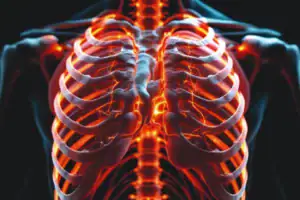
Demographic and Clinical Predictors of Rib Fracture, Complication, and Follow-up Among Patients With Rib Injuries Presenting to Urgent Care
Urgent Message: This retrospective cross-sectional study found more than one-third of patients who presented to urgent care with rib injuries had rib fractures. Rib fracture was associated with male sex, older age, Spanish-speaking status, White race, and abnormal vital signs. Rebeka Sultana, MBBS; Kristin Breslin, MPH; Abigail Steiner, MS, MPH; Douglas B. Richardson, MAS; Lindsey E. Fish, MD Keywords: rib fracture; urgent care; chest wall trauma; pneumothorax; hemothorax; health disparities; logistic regression Research Supplemental Abstract Introduction: Patients with rib injuries and fractures commonly present to acute care. Evidence from emergency …
Read More
Read More
