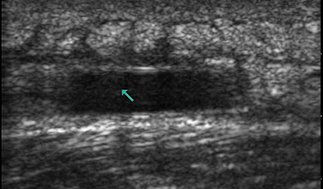
Outpatient Management of Deep Venous Thrombosis

Outpatient Management of Deep Venous Thrombosis

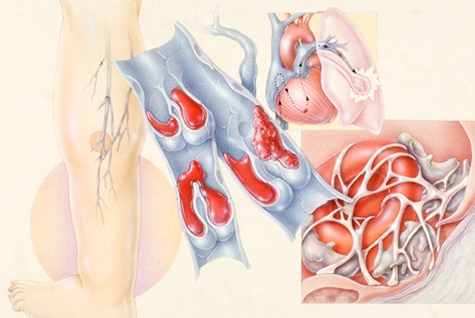
Urgent message: Urgent care providers are on the frontline in diagnosis of DVT. Outpatient management is a consideration for carefully selected patients. SABRINA SOOD, MD Deep venous thrombosis (DVT) is formation of a clot in the deep venous system, usually in a lower extremity. Half of untreated patients with DVT will go on to develop the fatal complication pulmonary embolism (PE). Approximately 300,000 to 600,000 Americans die each year due to venous thromboembolism (VTE).1 Urgent …

Read More
Risk Mitigation in Urgent Care: Part 3

Lee A. Resnick, MD, FAAFP In my previous column, I discussed three core areas where risk and potential liability exposure lurk and ways to mitigate that risk. This month, the last in the three-part series, I will focus on specific clinical policies and procedures that can effectively reduce liability risk and enhance patient safety, quality and patient satisfaction…the holy grail of high-performing practices. Eliminating ‘Pre-triage’ The term “pre-triage” is used to describe the all-too-common practice …

Read More
The Role of Ultrasound for Soft Tissue Infections in the Urgent Care Setting

The Role of Ultrasound for Soft Tissue Infections in the Urgent Care Setting

The Role of Ultrasound for Soft Tissue Infections in the Urgent Care Setting Urgent Message: Abscess evaluation is one of many diagnostic applications of ultrasound that could improve patient care in the urgent care setting. Authors: Staci Shepard, MS-4, and John Shufeldt, MD, JD, MBA, FACEP Staci Shephard is a fourth-year medical student at Creighton University School of Medicine. John Shufeldt, MD, JD, MBA, FACEP, is CEO of Urgent Care Integrated Network and sits on …

Read More

What Percentage of Patients Do Urgent Care Centers Transfer or Direct to an Emergency Room?

These data from the 2012 Urgent Care Industry Benchmarking Study are based on a sample of 1,732 urgent care centers; 95.2% of the respondents were UCA members. Among other criteria, the study was limited to centers that have a licensed provider onsite at all times; have two or more exam rooms; typically are open 7 days/week, 4 hours/day, at least 3,000 hours/year; and treat patients of all ages (unless specifically a pediatric urgent care).

Read More

DME, Benign Lesion Excision, Urgent Care Codes

Q. We currently provide DME to our patients as a courtesy to them and then bill their insurance. We generally get paid by most private insurances, but not by Medicare. Our billing department claims Medicare will never pay for any DME we provide because we are not a DME provider licensed with Medicare. If our billing department is correct, would it be compliant to give DME prescriptions to all patients 65 and over? A. I …

Read More

Abstracts in Urgent Care: May, 2014

Signs of aging and risk of heart disease Key point: Some outward signs of aging may correlate with increased risk of heart disease including MI. Citation: Christoffersen M, Frikke-Schmidt R, Schnohr P, et al. Visible age-related signs and risk of ischemic heart disease in the general population: A prospective cohort study. Circulation. 2014;4l128(9):990-998. Investigators in Denmark in this 35-year prospective trial attempted to see if outward signs of aging (frontoparietal baldness, crown top baldness, earlobe crease, …

Read More
Acute Pericarditis

Acute Pericarditis

Urgent message: This case underscores the importance of not “anchoring” to a previous provider’s diagnosis and always remembering that medical conditions are dynamic. JOHN J. KOEHLER, MD, and DANIEL MURAUSKI, DO Introduction Acute pericarditis is defined as inflammation of the pericardium that surrounds the heart and the base of the great vessels. The classical presentation consists of chest pain, a pericardial friction rub, and serial changes on electrocardiogram (EKG). Although data on the incidence of …

Read More

Scribes in the Urgent Care

DAVID WEIN, MD, MBA, FACEP, and DENNIS DIXON, MD For years I was subjected to corporal punishment at the hands of nuns who used to beat me when they could not read my handwriting – at least that is how I remember it. For reasons unknown, my handwriting was never legible. Even back in the day, using the T-System’s “slash and check” charting, my medical records looked like I had either DTs or Benign Essential …

Read More
Log In