
Urgent message: The high specificity but broad range of possible causes associated with a primary complaint of lower extremity edema poses a particular challenge to the urgent care clinician. Proper assessment of the differential diagnoses is the first step toward optimal outcomes, whether they be facilitated by treatment or referral. Michael S. Miller, DO Patients presenting to urgent care with a primary complaint of edema of the lower extremities of any duration can pose a …
Read More
Management of Patients Presenting with Constipation
Urgent message: Constipation can be a sign of serious – even life-threatening – etiologies. Once non-benign causes have been ruled out, emphasis should be on evacuation and dietary and lifestyle changes to prevent recurrence. Claire West, MD, Samuel M. Keim, MD, MS, and Peter Rosen, MD Introduction Constipation is a common complaint, accounting for approximately 2.5 million doctor visits annually. With increasing difficulty in obtaining a quick appointment with a primary care physician, more and …
Read More
Managing Foot Fractures in Urgent Care
Second in a Two-part Series Urgent message: Acute injuries to the midfoot and hind foot require immediate treatment or emergent referral. Close attention to the location and mechanism of injury at the urgent care site may facilitate efficient care and prevent long-term disability. Phillip H. Disraeli MD, FAAFP In keeping with the tone of part 1 of this two-part series (JUCM, December 2008), this article will discuss the urgent care clinician’s approach to foot fractures …
Read More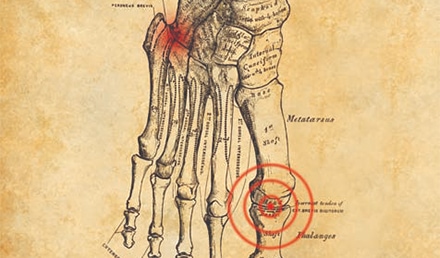
Managing Foot Fractures in Urgent Care
Urgent message: Acute injuries to the foot often send patients to an urgent care center—though on occasion they don’t present for weeks, or even months, after the injury occurred. Understanding the natural history of untreated fractures in the foot is imperative to positive outcomes. The first in a two-part series. Phillip H. Disraeli MD, FAAFP This article will focus primarily on two aspects of care: 1. Proper management of and follow-up for simple nondisplaced fractures …
Read More
Assessment and Initial Care of Fingertip and Nailbed Injuries
Urgent message: Whether required due to a crushing blow or close contact with a sharp surface, proper initial care for fingertip and nailbed injuries is essential to good outcomes and can often be administered in the urgent care setting. Scott M. Zimmer, MD Fingertip injuries are one of the most common conditions seen in urgent care and emergency room settings. From door crush to table saw injuries, the proper initial care is vital in the …
Read More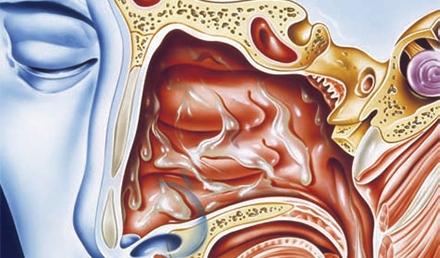
Management of the Patient Presenting with Epistaxis
Urgent message: Though patients with posterior and bilateral epistaxis should be admitted to the hospital, the vast majority of epistaxis episodes can be treated safely and effectively in the urgent care setting. Nathaniel Arnone, MD, Samuel M. Keim, MD, MS, and Peter Rosen, MD Epistaxis is a common presenting complaint, with 15 per 10,000 people requiring medical attention each year.1 While the presence of blood in the pharynx can cause concern for both patients and …
Read More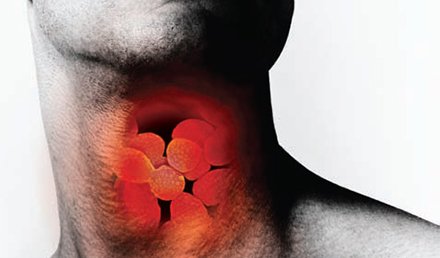
Pharyngitis: Diagnosis and Treatment in the Urgent Care Setting
Urgent message: Sore throat is a complaint commonly encountered in urgent care. Proper evaluation and understanding and use of appropriate antibiotics will foster better patient care and understanding while limiting antibiotic resistance. William Gluckman, DO, MBA, FACEP and Jessica Kay, PharmD Pharyngitis refers to the inflammation or irritation of the pharynx, including the tonsils, and can have many etiologies, including a variety of infections, cancer, allergic reactions, gastroesophageal reflux, or toxic inhalations and ingestions. This …
Read More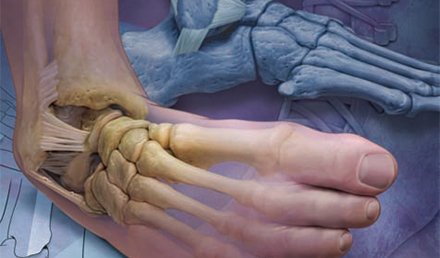
Acute Ankle Injuries in the Urgent Care Setting
Urgent message: Working knowledge of anatomy and familiarity with radiograph reading, injury classification, treatment options, and criteria for referral support positive long-term outcomes in patients with acute ankle injuries. Janet D. Little, MD and William E. Saar, DO Acute ankle injury is one of the most common musculoskeletal injuries in the athlete and sedentary person alike. The yearly incidence of ankle injuries varies between resources, but ranges from 1 million to 5 million per year …
Read More
Diabetic Emergencies in the Urgent Care Setting
Urgent message: Patients with glucose levels either too high or too low often require immediate, potentially life-saving interventions in the urgent care setting. These patients are often found to be diabetic. Allan F. Moore, MD, Nicolas Abourizk, MD, Jeffrey Collins, MD, MA Diabetes is a common chronic disease affecting approximately 7% of the United States population. Of these individuals, 17.5 million carry a diagnosis of diabetes and over 6 million are undiagnosed. An estimated 54 …
Read More
Prescription Drug Abuse and the Drug-Seeking Patient
Urgent message: The urgent care clinic is a prime target for prescription drug abusers seeking possibly inappropriate prescriptions. Clinicians must be vigilant to screen, intervene, and refer such patients. Marcelina Behnam, MD and Mark Rogers, MD Over the past several years, prescription drug abuse has become a problem of epidemic proportions for urgent care centers and emergency departments around the country. There has been an increase both in visits related to the acquisition of these …
Read More