Abdominopelvic Pain, Part 1: Approach to Men in the Urgent Care Setting

Abdominopelvic Pain, Part 1: Approach to Men in the Urgent Care Setting

Urgent message: Abdominopelvic pain is one of the most complex issues encountered in the urgent care settings. Clinicians must make evaluations and decisions rapidly, and it is imperative that they make the appropriate diagnosis to prevent negative outcomes. How this article helps you: assists you in detecting potentially life-threatening problems. Introduction Abdominopelvic pain is something that every urgent care provider can relate to. Although urgent care statistics are not readily available, the Centers for Disease …

Read More


Probe Deeper if Symptoms Just Don’t Add Up

Probe Deeper if Symptoms Just Don’t Add Up

It was a case that easily could have presented in any urgent care center, and one that shows the importance of probing beyond social and medical history, including a patient’s profession and hobbies if necessary. The patient presented with a 7-year history of breathing difficulty that had recently worsened. The only related detail seemed to be that he had been diagnosed with hypersensitivity pneumonitis (HP, also known as farmer’s lung and hot tub lung) 5 …

Read More
Data Are Clear: We Need More Urgent Care Centers!

Data Are Clear: We Need More Urgent Care Centers!

We’ve all seen the data concerning the “graying” of the population and physician shortages (it’s not good), and within this industry intuited that urgent care will play an important role in providing care when and where it’s needed most. New data now show just how big an opportunity there is for urgent care operators. Looking at estimates of current volumes per urgent care center within the context of population density, demographics, and payer mix, Health …

Read More
Think Twice Before Prescribing Opioids in the Urgent Care Center

Think Twice Before Prescribing Opioids in the Urgent Care Center

Urgent care clinicians practice where the rubber meets the road—treating patients who feel so bad they cannot wait to be seen by their primary care physician. The downside is that physicians often don’t know patients well—which means they need to be vigilant for opioid addicts and “patients” who are actually looking to obtain drugs so they can sell them for their own profit. This has given birth to a movement seeking to lower prescribing rates …

Read More
New Data Exchange Models Serve Urgent Care’s and Payers’ Interests

New Data Exchange Models Serve Urgent Care’s and Payers’ Interests

Patient population data rooted in urgent care visits could be invaluable to healthcare systems, especially with patients who don’t have a primary care physician. And, of course, urgent care operators want to be included in local provider networks. Current and emerging technologies, as well as growing emphasis on value-based care, make this the perfect time to strike formal partnerships to exchange electronic patient data, providing a path for both parties toward their goals. It’s incumbent …

Read More
Original Research: Early Diabetes Screening in the Urgent Care, Part 1

Original Research: Early Diabetes Screening in the Urgent Care, Part 1

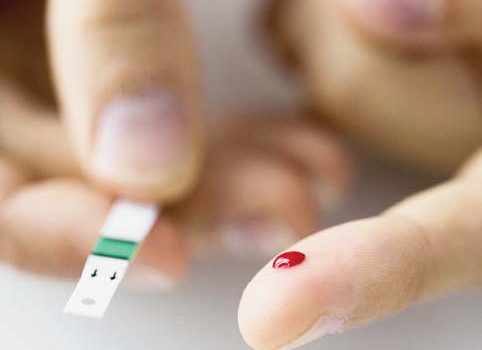
Urgent message: Undiagnosed type 2 diabetes mellitus affects more than 9 million Americans. This first part of a two-part article focuses on evaluation of diabetes screening for the adult urgent care patient in whom diabetes has not been diagnosed, using effective early disease-detection strategies to reduce the long-term burden of diabetes. How this article helps you: by providing data to assist you in deciding about screening in your center. Introduction There are now more than …

Read More
‘Micro-Hospitals’—Some with Urgent Care Centers—Are on the Rise

‘Micro-Hospitals’—Some with Urgent Care Centers—Are on the Rise

St Vincent Health in Indiana is the latest system to join a growing trend in the U.S.: opening small “footprint” hospitals—multispecialty facilities with an emergency room or an urgent care center to lower volume and offer easier access in conjunction with their main campuses. In St Vincent’s case, that amounts to four new 24-hour emergency micro-hospitals and three ambulatory care centers in the Indianapolis area. Each will have seven outpatient beds and eight in-patient beds. …

Read More
Acetaminophen Overdose Antidote Recalled

Acetaminophen Overdose Antidote Recalled

Urgent care clinics that stock the acetaminophen overdose antidote acetylcysteine should check their inventory for three specific lots of the drug distributed by Arbor Pharmaceuticals under the trade name Cetylev. Arbor has recalled lot numbers 005C16, 006C16, and 007C16, with expiration date 02/2018 and with National Drug Code (NDC) 24338-700-10 of the 500 mg effervescent tablets for oral solution because of an inadequate seal of the blister pack. The Food and Drug Administration says the …

Read More
Urgent Care Enters the Zika Fray in South Florida

Urgent Care Enters the Zika Fray in South Florida

Baptist Health South Florida is encouraging patients who are concerned they may have been exposed to Zika virus, but who do not have symptoms, to visit the system’s urgent care centers in order to prevent clutter in its emergency rooms. That news comes on the heels of the Centers for Disease Control and Prevention adding another location for pregnant women to avoid in Florida, along with suggestions that they and their sexual partners consider postponing …

Read More
Freestanding ERs Criticized for Billing—and Cherry-Picking Wealthy Patients

Freestanding ERs Criticized for Billing—and Cherry-Picking Wealthy Patients

The rapid growth of freestanding emergency rooms—as well as consumer outrage over controversial billing practices—continues to draw the attention of researchers and legislators around the country. Most typically found in affluent neighborhoods, some freestanding emergency centers can be hard to distinguish from lower cost urgent care centers, setting expectations for some patients that they’ll receive an urgent care-size bill. When the cost more closely resembles the cost of a trip to the ED, patients cry …

Read More
Log In