
DAVID STERN, MD (Practice Velocity) Q.How do I code when using Versajet to debride an ulcer? A.For Versajet debridement, you should report CPT code 97597 (removal of devitalized tissue from wound(s), selective debridement, without anesthesia (e.g., high-pressure waterjet with/without suction, sharp selective debridement with scissors, scalpel, and forceps), with or without topical application(s), wound assessment, and instruction(s) for ongoing care, may include use of a whirlpool, per session; total wound(s) surface area less than or …
Read MoreInnovation in Occupational Health Marketing
In a recent episode of the popular television show Mad Men, super ad man Don Draper opined to his up-and-coming colleagues that “marketing is all about innovation.” He’s right. But the best-laid plans often sink into the abyss of the “same old, same old.” After all, if marketing is about distinguishing one’s organization from its competitors, why not rely on the tried and true to punctuate the difference? This reasoning is flawed, however; marketing should …
Read MoreAccountable Care Organizations, Where do Urgent Care Centers Fit?
JOHN SHUFELDT, MD, JD, MBA, FACEP Under the Affordable Care Act, the Centers for Medicare and Medicaid Services will pioneer a number of new projects which affect the delivery of healthcare in the United States. Among these projects, the most ambitious is the proliferation of the Accountable Care Organizations (ACOs). Other initiatives include pay-for-performance (P4P) and quality improvement agendas proffered by organizations responsible for accreditation, all focusing on clinical delivery pathways or “care paths.” The …
Read MoreThe Case of a 42-year-old Fireman with Shoulder Pain: When a Lifeline Becomes a Noose
There are some diagnoses that will be missed by nine out of 10 physicians; this is one of them. However, our goal is not to meet “Standard of Care” but to provide excellence in care: Take every patient at face value, without trying to guess their intentions for secondary gain. Ensure you are aware of the chief complaint stated to the staff in the urgent care center. Be an open book in your impression and …
Read More
Pitfalls in Assessing and Managing Common Pediatric Injuries
Urgent message: Fractures, in general, are relatively common among pediatric patients. Those most likely to be seen in the urgent care setting include injuries to the radius, ulna, humerus, lateral condyle, clavicle, tibia, and fibula. The second of two parts. Justin Kunes, MD, Shane R. Hanzlik, MD, Allison Gilmore, MD As noted in part 1 of this article (published in the February 2011 issue of JUCM and available at www.jucm.com), fractures are common injuries in …
Read MoreHealthcare Laws vs. Newton’s Laws
Lee A. Resnick, MD, FAAFP Newton’s Third Law: “To every action there is always an equal and opposite reaction.” Medicine applies Newton’s Third Law liberally, from physiology to pharmacology; negative feedback loops, down-regulation, compensatory states, and medication side effects all follow its principles. The body, as we well know, is inclined to homeostasis, and any upset to this balance is met with resistance and dysfunction. Unfortunately, well-meaning healthcare regulators, policymakers—and, yes, even fellow physicians—have ignored …
Read MoreECG Challenge: A 73-year-old Male with Concerns About His Pacemaker
Urgent message: Identifying the most likely cause of a 73-year-old male’s sensation that his heart is “missing beats” — while being mindful of the most potentially serious sources—will guide decisions on the right course of action. The ECG you order will offer invaluable clues as to the appropriate steps to take. By John F. O’Brien, MD The patient is a 73-year-old male who presents with a primary complaint that it occasionally feels as if his heart is “missing …
Read More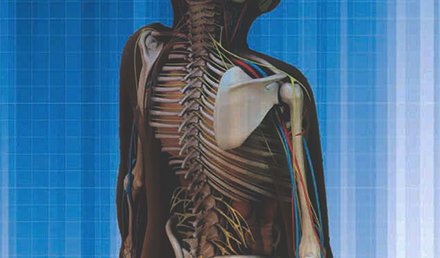
February 2011
Developing Data: February, 2011
In each issue on this page, we report on research from or relevant to the emerging urgent care marketplace. This month, we continue looking into data brought to light in Many Emergency Department Visits Could Be Managed at Urgent Care Centers and Retail Clinics,1 an article that (as the title implies) compared the capabilities and usage of urgent care centers vs. other immediate-care options the U.S. It may be most valuable to the urgent care …
Read MoreAbstracts in Urgent Care: February, 2011
Most Frequently Missed Fractures in the Pediatric Emergency Department Key point: The most commonly missed fractures were pha- langes of the hand and metatarsal fractures. Citation: Mounts J, Clinenpeel J, McGuire E, et al. Most frequently missed fractures in the emergency department. Clin Pediatr (Phila). 2010 Dec 2. [Epub ahead of print.] This study quantified the types of extremity fractures most commonly missed on plain radiographs by pediatric emer- gency medicine specialists after an initial …
Read More