Joint Ventures Between Health Systems and Urgent Care: Achieving the Best of Both Worlds

Joint Ventures Between Health Systems and Urgent Care: Achieving the Best of Both Worlds

Urgent message: As hospitals and health systems develop and grow +their urgent care footprints, many leverage the expertise and experience of outside partners. Five common affiliation models fit differing strategic objectives and distinct market conditions. As the number of urgent care centers increases across the United States, so too do the variety of urgent care center models and the ways in which urgent care centers seek to meet the growing demand for urgent care. Gone are the …

Read More


Nonhealing Wounds, Part 1: Diagnosis in the Urgent Care Center

Nonhealing Wounds, Part 1: Diagnosis in the Urgent Care Center

Urgent message: Nonhealing wounds not only are prevalent but also are complex in terms of wound management and treating the accompanying comorbid disease. By both recognizing the diagnosis and understanding how to treat these wounds, urgent care providers have the opportunity to differentiate life-threatening illness from lifeinhibiting disease and improve outcomes for patients. An estimated 6 million people in the United States have a nonhealing wound, with a 1% lifetime incidence for the total population.1,2 This number is expected to increase with the …

Read More
Freestanding ER Sticker Shock Still an Issue Despite Transparency Laws

Freestanding ER Sticker Shock Still an Issue Despite Transparency Laws

Urgent care operators who face competition from freestanding emergency rooms should emphasize cost differences compared with urgent care, and remind patients that vigilance may be needed to tell the difference between the two. Patients in Texas, for example, are finding that a new law requiring freestanding emergency rooms to post notices that fees may be comparable to a hospital emergency room doesn’t go far enough in preventing surprisingly big bills postcare. One problem: The nature …

Read More
Could Tax Dollars Be an Option in Funding a New Urgent Care Center?

Could Tax Dollars Be an Option in Funding a New Urgent Care Center?

If you’re looking to build a new urgent care facility, the first question you’re likely to ask is: How are we going to pay for this? Regional Medical Center (RMC) in Orangeburg, SC is looking to its surrounding community for help by way of using tax dollars to construct a new urgent care center. Brenda Williams, RMC’s vice president of strategy and development, says the emergency room is packed with people seeking nonemergent care. RMC …

Read More
Urgent Care Operators Look to Telehealth to See More Patients

Urgent Care Operators Look to Telehealth to See More Patients

Six months after it started offering video visits through Doctor on Demand and American Well, UnitedHealthcare says it expects to “see” 20 million patients that way by the end of 2016. More than half of the visits, to date, have been for respiratory issues. Statistically, the average user is a 31-year-old female. UnitedHealthcare says the vast majority of employers it covers like the idea, but have concerns about how many of their workers will actually …

Read More
Ankle Injury Sustained by a Young Athlete

Ankle Injury Sustained by a Young Athlete

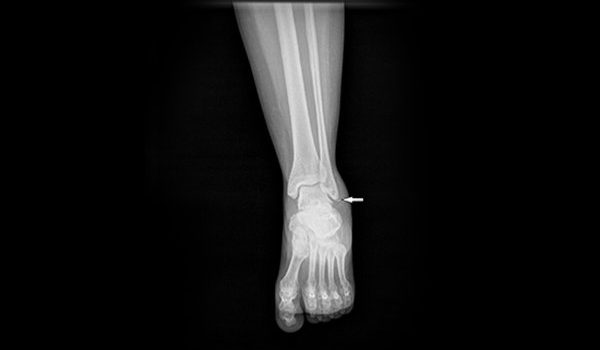
An 18-year-old high school lacrosse player presents to an urgent care center with a painful left ankle. He states that the pain started 2 days earlier when he twisted his left ankle (an inversion injury) while competing in a tournament. He says that he tried to continue to play, but the pain increased. He reports that the ankle swelled over the lateral aspect and that he has pain when he walks. He says that he …

Read More
Looking for a Few Good People? Host a Job Fair

Looking for a Few Good People? Host a Job Fair

URGENT MESSAGE: Job fairs can be an efficient and cost-effective method of finding suitable employees to fill open positions in urgent care centers. With diligent planning, a job fair can save valuable time by speeding up the interview process and can bring talented and qualified applicants right to your door. Alan A. Ayers, MBA, MAcc is Vice President of Strategic Initiatives for Practice Velocity, LLC and Practice Management Editor of JUCM — The Journal of …

Read More
Fewer Americans Are Uninsured—But Is ACA a Success?

Fewer Americans Are Uninsured—But Is ACA a Success?

The percentage of uninsured Americans dropped below 10% by the end of 2015, compared with 16% when the Affordable Care Act (ACA, or “Obamacare”) was enacted in 2010. While the Obama administration chalks that up as a “win,” ACA critics question whether patients covered under ACA-supported plans have adequate coverage. Further, insurers have complained that offering coverage through ACA’s state exchanges is not cost-effective, with UnitedHealth and Humana deciding to stop participating in many states. …

Read More
PCPs Starting to See the Advantages of Urgent Care

PCPs Starting to See the Advantages of Urgent Care

More primary care physicians understand urgent care’s rightful place in the continuum of care—and the advantages it might offer traditional office-based practices, according to a new article in Medical Economics magazine (How Urgent Care Relates to Physicians’ Practices, http://medicaleconomics.modernmedicine.com/medical-economics/news/how-urgent-care-relates-physicians-practices). David Meyers, MD, chief medical officer for the Agency for Healthcare Research and Quality, reflects that “urgent care centers help put resources in the right places” by providing immediate care to those who need it at …

Read More
Urgent Care Survey: Baby Boomers Want Quality; Millennials Consider Cost More

Urgent Care Survey: Baby Boomers Want Quality; Millennials Consider Cost More

Most Americans understand their healthcare options, but diverse age groups value different attributes when deciding where to get that care, according to a new survey by the Urgent Care Association of America. Quality factors, such as having a physician on site (a prevalent urgent care attribute compared with retail clinics more often staffed by nurse practitioners or physician assistants), were more important to patients in older age groups, while affordability and location were more important …

Read More
Log In