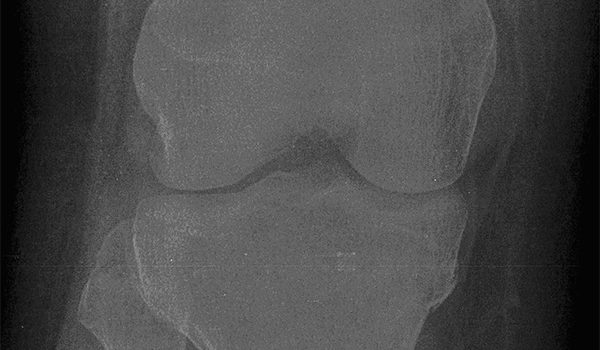
Clinical Challenge 2: September 2010

The patient is a 32-year-old man who presents after experiencing a blow to the face while falling from a bicycle. The patient complains of tenderness over the front of his face. Neurological exam is normal. You note that his neck is supple. View the image taken (Figure 1) and consider what your diagnosis and next steps would be. Resolution of the case is described on the next page.

Read More

Investing in Expansion: Do It Yourself, or Take on Investors?

Urgent message: Sound finances and proven business management skills may be the most valuable assets for the urgent care operator looking to capitalize on past successes by expanding. by Michael Gotlieb Introduction Urgent care owners, like many other entrepreneurial businesspeople, have great opportunities in front of them, yet need assistance at times. Sometimes, that “assistance” is purely financial. Most often in inflection point cases like expansion; however, it is a combination of financial and business acumen …

Read More
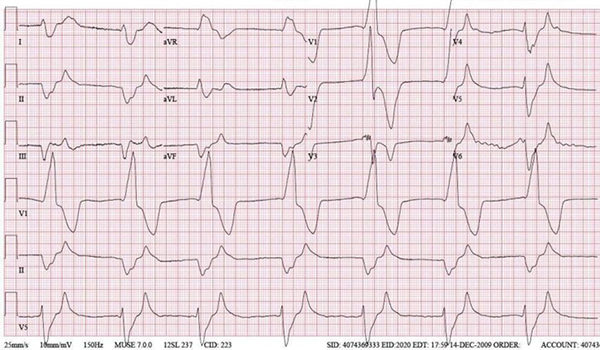
37-year-old diabetic female feeling weak after switching diuretics

37-year-old diabetic female feeling weak after switching diuretics

The patient is a 37-year-old female who presented with a history of longstanding hypertension and diabetes mellitus. She had recently started on a new diuretic, and felt very weak and lightheaded. Her blood pressure was 88/56 mmHg with a pulse of 44 beats per minute. After reviewing the ECG, consider the following questions: 1. Based on this ECG, what type of diuretic is she likely to be taking? 2. How should she be managed?

Read More

Abstracts in Urgent Care: September, 2010

Non-intravenous Midazolam Effectively Terminates Pediatric Seizures Key point: A meta-analysis revelas that non-IV midazolam is as effective as or superior to IV or rectal diazepam for stopping seizures in children and young adults. Citation: McMullan J, Comilla S, Panciolo A, et al. Midazolam versus diazepam for the treatment of status epilepticus in children and young adults: A meta-analysis. Acad Emerg Med. 2010; 17(6): 575-582. Although intravenous (IV) lorazepam is considered first-line therapy for status epilepticus, …

Read More

Developing Data: September, 2010

In each issue on this page, we report on research from or relevant to the emerging urgent care marketplace. This month, we present data that shed light on reasons parents may be taking their children to the emergency room instead of to their pediatricians, even for non-urgent care. Researchers at Columbia University Medical Center in New York City report that between 1997 and 2006, there’s been a shift in those reasons; where perceived need for …

Read More

Understanding the True Value of the Occupational Health Product

Your clinic needs to sell occupational health services based on their perceived value to the buyer. Hence, you must learn to assess each buyer’s perception of what constitutes value to them before discussing your services. Traditionally, such an assessment is done through the use of astute questioning (e.g., “What is most important to you in selecting an external provider of occupational health services?”). Once you have an understanding of what motivates the prospective buyer, only …

Read More

Cleared for Takeoff

JOHN SHUFELDT, MD, JD, MBA, FACEP I like checklists. I use them while treating patients, flying, cooking, and training. Despite the fact that I have a few thousand hours behind the controls of a variety of aircraft, I still use them every time I fly. Why then, if I believe I am a fairly competent pilot, do I need to rely on something as pedestrian as a checklist for things that I have done countless …

Read More
Log In