Management of Patients Presenting with symptoms of Vulvovaginitis

Management of Patients Presenting with symptoms of Vulvovaginitis

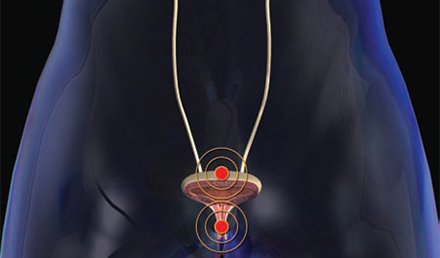
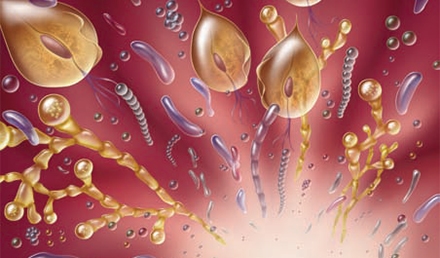
Urgent message: As the cause of approximately 10 million office visits in the United States annually, vulvovaginitis remains a common but important complaint seen in the urgent care setting. Jansen Tiongson, MD, Samuel Keim, MD, and Peter Rosen, MD Although numerous etiologies account for vulvovaginitis, the vast majority of cases are due to bacterial vaginosis (BV), trichomoniasis, and vulvovaginal candidiasis (VVC). BV causes 40% to 50% of all cases, while candidiasis and trichomoniasis account for …

Read More
Management of Erythema Multiforme in the Urgent Care Setting

Management of Erythema Multiforme in the Urgent Care Setting

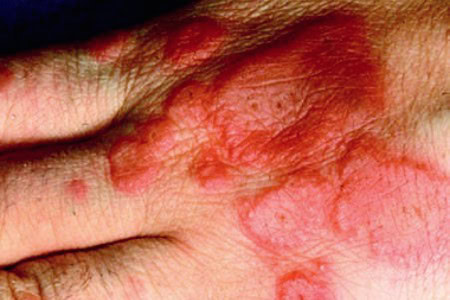
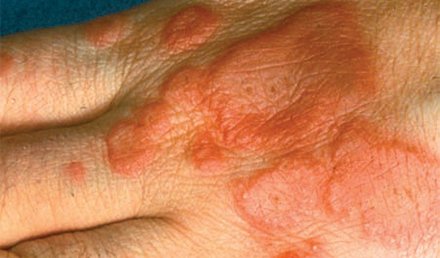
Urgent message: With the increasing use of medications, especially antibiotics, more and more patients are presenting to urgent care with erythema multiforme. Correct diagnosis and identification of the underlying cause can result in rapid clinical resolution of the lesions. Shailendra Kapoor, MD Descriptions of erythema multiforme (EM) first appeared in the work of Albert and Bazin in 1822, but it was not until 1866 that von Hebra categorized these erythematous eruptions and labeled them “erythema …

Read More
The Dizzy Patient in the Urgent Care Setting

The Dizzy Patient in the Urgent Care Setting

Urgent message: “Dizziness” can prove to be one of the more vexing complaints encountered in urgent care. To provide appropriate care, the clinician must understand whether the patient is experiencing near-syncope, disequilibrium, ill-defined light-headedness, or vertigo. Martin Samuels, MD, DSc (hon), FAAN, MACP The problem of dizziness can be one of the most exasperating in the practice of medicine. Physicians all know that sinking feeling elicited by the patient who sits down and, when one …

Read More

Urticaria and Angioedema

Urgent message: Patients often present to urgent care with symptoms associated with urticaria and angioedema. Identifying the probable cause can provide relief of symptoms and abate patient concerns. Urticaria and angioedema are rarely life threatening, but they are extremely disruptive to quality of life and sleep. In addition, hives may be alarming and lead patients to wonder if something serious is afoot. Swelling of the tongue or throat is particularly likely to be the source …

Read More
Log In