Multisystem Inflammatory Syndrome in Children (MIS-C): Who Should Not Be MISC’ed?

Multisystem Inflammatory Syndrome in Children (MIS-C): Who Should Not Be MISC’ed?

Katie Jerzewski MD, Roshni Patel MD, and Joshua Rocker MD OVERVIEW The novel coronavirus, or SARS-CoV-2, first appeared in the Wuhan province of China in the winter of 2019. Due to the virus’s ability to spread from an asymptomatic carrier to the next new host and Wuhan being a pivotal commercial center, it spread quickly across the globe. Asymptomatic carrier rates have ranged from 1.6% to 56.5%, depending on clinical setting and testing availability.1 In …

Read More


Abstracts in Urgent Care – October 2020 (PUCC)

Spotlight on Original Research in Pediatric Urgent Care: Excerpts from the 2020 Pediatric Urgent Care Conference (PUCC). Los Angeles, CA David J. Mathison, MD, MBA Decreasing Length of Stay in the Pediatric Urgent Care with Electronic Discharge Instructions* Wooster J, Patel A, Nedved A, Lee B The aim of this research was to determine if an electronic discharge process could decrease length of stay by an average of 10 minutes per patient. An electronic discharge …

Read More
An 8-Year-Old Girl with Lesions on Her Arms

An 8-Year-Old Girl with Lesions on Her Arms

The patient is an 8-year-old girl with a smattering of brown to black lesions on her arms. They’re not painful or causing discomfort, but her mother is concerned because they look darker than the average freckle. Exam reveals small (less than 0.5 mm), round, hyperpigmented macules.             View the image taken and consider what your diagnosis and next steps would be. Resolution of the case is described on the next page. <

Read More
A 60-Year-Old Woman with a 4-Day History of Intermittent Exertional Chest Pain

A 60-Year-Old Woman with a 4-Day History of Intermittent Exertional Chest Pain

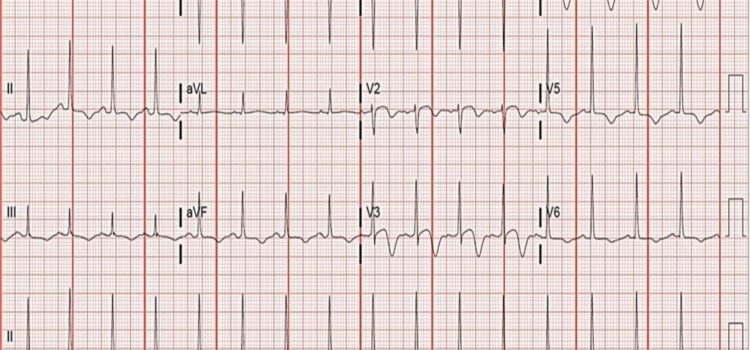
The patient is a 60-year-old female with no past medical history presents with intermittent exertional chest pain for 4 days. She reports the pain is substernal with radiation to her left arm, is associated with nausea and diaphoresis, and is worsened by exertion. The patient says she experiences pain every 4-5 hours, but currently is pain-free.             View the ECG taken and consider what your diagnosis and next steps would be. Resolution of the case …

Read More
A 45-Year-Old Man with Thumb Pain After a Fall

A 45-Year-Old Man with Thumb Pain After a Fall

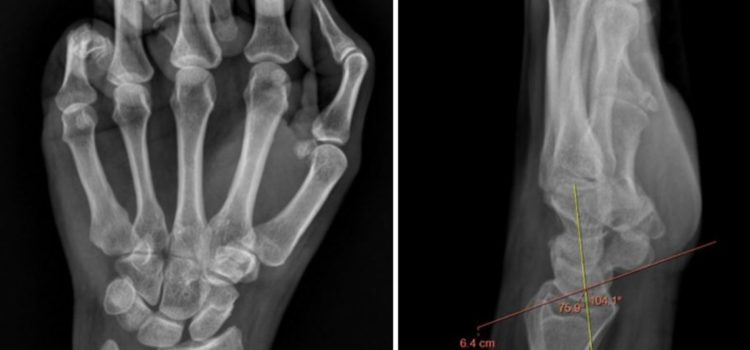
The patient is a 45-year-old man who presents as your first patient of the day, with thumb pain after taking a fall in the middle of the night. He tripped walking to the bathroom and tried to catch himself on the doorknob as he went down. His pain worsens with movement or when he tries to grip anything.             View the image taken and consider what your diagnosis and next steps would be.

Read More
Evaluation of a Point-of-Care COVID-19 Testing Platform Using Self-Collected Nasal Swabs in an Urgent Care Setting

Evaluation of a Point-of-Care COVID-19 Testing Platform Using Self-Collected Nasal Swabs in an Urgent Care Setting

Urgent message: A validated platform effective in performing rapid point-of-care tests for SARS-CoV-2 would be ideal for use in urgent care centers. While reports of false negative results with one system called the viability of such a platform into question, results of this study support the use of POC testing using self-collected nasal swabs. Bronson Elizabeth Delasobera, MD; Amanda Joy, PA; Masashi Waga; Rita Malley, MS; Anisha Patel, MS; Sarah Greenwood, PA; Jerry Creighton, RN; …

Read More

Abstracts in Urgent Care – September 2020

Seasoned Eyes and ECGs Comparing ACS Decision Tools Does TMACS Stack Up? Cluing Patients in on Chest Pain Gender Differences in Chest Pain Assessment Duration of Chest Pain in Diagnosing MI Ivan Koay, MBChB, FRNZCUC, MD When It Comes to Reading ECGs, Experience Counts Key Point: Advanced practice practitioners (APP) in this study had a level of skill in ECG interpretation equal to first-year EM attendings. These skills could be utilized, potentially, as screening pathways …

Read More
A Multicenter Study of the Rate of MACE in Chest Pain Patients with a Moderate HEART Risk Score Referred from Urgent Care for an Expedited Outpatient Cardiology Evaluation

A Multicenter Study of the Rate of MACE in Chest Pain Patients with a Moderate HEART Risk Score Referred from Urgent Care for an Expedited Outpatient Cardiology Evaluation

ABSTRACT Background: The HEART Score is an effective method of risk-stratifying emergency department patients with chest pain. The rate of major adverse cardiovascular events (MACE) in patients with moderate HEART score referred from an urgent care center (UC) for an expedited outpatient cardiology evaluation is unknown.  Purpose: The primary outcome of this study was to examine the rate of MACE when patients with moderate HEART score were referred for expedited outpatient cardiology follow-up after evaluation …

Read More
Log In