Shingles Rates Declining, Likely Because of Vaccination

Shingles Rates Declining, Likely Because of Vaccination

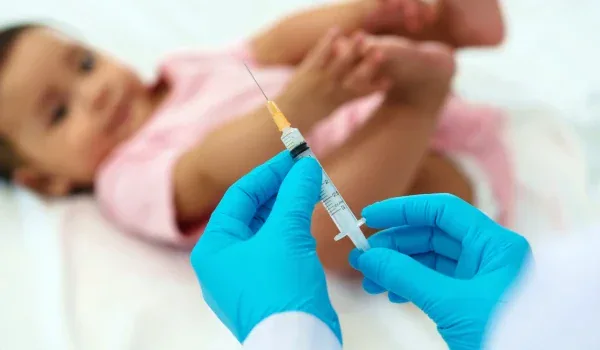
The childhood varicella vaccine was introduced in the United States in 1995, so people born from that time on are the first group to reach adulthood with the vaccine’s protection against chickenpox. Additionally, those vaccinated against chickenpox carry a lower risk of later developing shingles caused by the reactivation of the varicella-zoster virus. A new study of more than 85 million U.S. adults found substantial differences in shingles diagnoses across birth cohorts, with the sharpest …

Read More

Women’s Cardiovascular Assessments Need Comprehensive Considerations

Women’s Cardiovascular Assessments Need Comprehensive Considerations

Cardiovascular disease causes more than 400,000 deaths annually among U.S. women, and this public health trend has prompted 4 major medical organizations to collaborate on an updated, comprehensive approach for prevention and treatment. The American Heart Association, American Academy of Pediatrics, American College of Obstetricians and Gynecologists, and Society for Maternal-Fetal Medicine have developed a framework emphasizing cardiovascular risks associated with hormonal changes throughout women’s lives. As published in Circulation, the advisory projects that by …

Read More
Physicians Stay In Jobs With Greater Sense of Community 

Physicians Stay In Jobs With Greater Sense of Community 

Community relationships are important considerations for provider organizations looking to recruit and retain physicians in rural markets, according to a study published in JAMA Network Open. Researchers surveyed 1,074 physicians practicing in federally designated clinician shortage areas across 33 states, including 351 in rural communities. Among rural physicians, 75.5% expected to remain at their current practices for more than 2 years, compared with 71.2% of urban physicians. Rural physicians also were more likely to feel …

Read More
Infant Protection From Measles Might Wane Sooner Than Expected

Infant Protection From Measles Might Wane Sooner Than Expected

A retrospective analysis presented at IDWeek 2026 this month in Washington, D.C., suggests that infants’ maternal protection against measles may decline much earlier than previously believed, leaving many babies susceptible to infection months before their first measles, mumps, and rubella (MMR) vaccination, which is recommended at age 12–15 months. As reported in meeting coverage from MedPage Today, researchers analyzed measles antibody levels in maternal-infant pairs and found that although infants had higher neutralizing antibody concentrations …

Read More
Menopausal Symptoms Prevalent Among Middle-Aged Women

Menopausal Symptoms Prevalent Among Middle-Aged Women

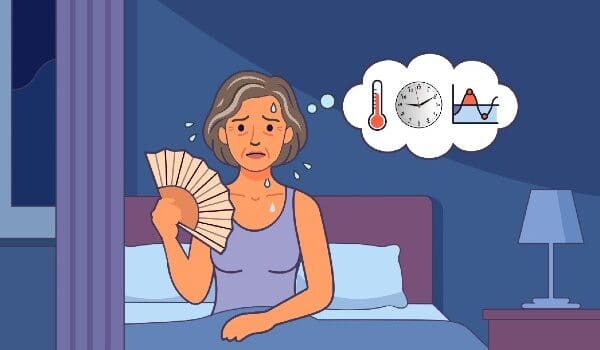
Nearly half of U.S. women ages 40–60 reported experiencing menopausal symptoms during the previous 12 months, according to a new Centers for Disease Control and Prevention (CDC) analysis of the 2025 National Health Interview Survey. The nationally representative survey found that 49.4% of women in this age range, representing approximately 16.7 million women, experienced symptoms such as hot flashes, night sweats, sleep disturbances, menstrual irregularities, or vaginal dryness. Symptom prevalence increased with age, from 23.9% …

Read More
Conway Medical Center Acquires 4 Urgent Care Centers

Conway Medical Center Acquires 4 Urgent Care Centers

Conway Medical Center (CMC) announced the acquisition of 4 urgent cares and 1 physical therapy clinic from Novant Health. The acquisition includes urgent care locations in Myrtle Beach, Surfside Beach, and Little River, South Carolina, and will add 43 employees to CMC’s workforce. The urgent care clinics will transition to the CMC brand in stages by November 16, according to the announcement. CMC says the expansion supports the market response to population growth in the …

Read More
Stressed Out Consumers Count on AI For Advice

Stressed Out Consumers Count on AI For Advice

A growing number of Americans are turning to AI for mental health guidance and emotional support as stress becomes an increasingly common part of daily life, according to the American Psychological Association’s 2026 Stress in America report. The findings are based on a survey of 3,132 U.S. adults conducted in July and August 2026. Among respondents, 60% reported that stress negatively affected their sleep, 56% cited effects on their mental or emotional well-being, and 51% …

Read More
States Allege OpenAI Fails To Adequately Protect Consumers 

States Allege OpenAI Fails To Adequately Protect Consumers 

Attorneys general in Arizona, Arkansas, Idaho, Iowa, Kansas, Montana, Nebraska, and West Virginia have all filed separate lawsuits against OpenAI as part of a coordinated effort to question whether OpenAI has misled consumers into believing ChatGPT is safer and more medically reliable than it actually is. For example, Iowa is seeking financial penalties of up to $40,000 per Consumer Fraud Act violation, compensation for affected consumers, and court-ordered changes to OpenAI’s safety practices. It also …

Read More
Negative Notes Diminish Patient Trust

Negative Notes Diminish Patient Trust

A study published in JAMA Network Open found that approximately 1 in 6 U.S. adults reported encountering disrespectful or judgmental language in medical records or healthcare encounters. In a nationally weighted survey of 500 adults from November 21 to December 4, 2025, 17.1% of patient portal users reported seeing this type of language in their own or a loved one’s medical records. Examples of potentially judgmental descriptions include labeling patients as “noncompliant” or “resistant.” Among …

Read More
Heart Failure Rates Doubling In Younger Patients 

Heart Failure Rates Doubling In Younger Patients 

A 2026 report from the Heart Failure Society of America, published in the Journal of Cardiac Failure, highlights the growing risk and negative consequences of heart failure (HF) in the United States. Approximately 7.7 million adults (3%) currently have HF—a number projected to reach 11.4 million by 2050. Lifetime risk is approximately 24%, meaning that an individual in the United States has roughly a 1 in 4 chance of developing HF at some point during …

Read More
Log In