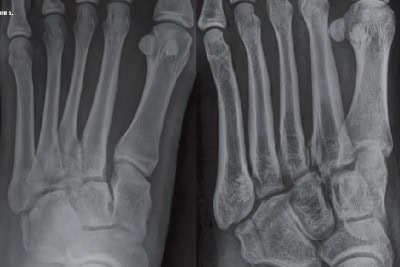
Framework For Musculoskeletal Injuries Helps Avoid Missed Diagnosis

Framework For Musculoskeletal Injuries Helps Avoid Missed Diagnosis

A structured approach to evaluating acute musculoskeletal injuries may help reduce missed diagnoses and unnecessary imaging, according to a review article published in Cureus. Musculoskeletal complaints account for an estimated 20%–25% of emergency department visits, and the authors explain that combining injury mechanism, functional assessment, focused physical examination, and targeted imaging can help identify significant injuries. Validated clinical decision tools can safely reduce unnecessary radiographs while still achieving accurate diagnosis, they say. For example, the …

Read More
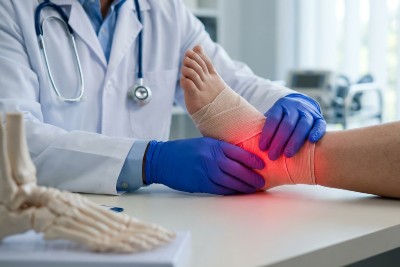
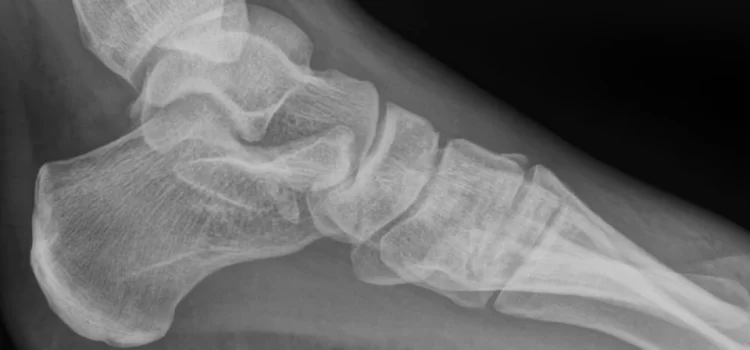
Urgent Care Evaluation and Management of Suspected Lisfranc Injuries

Urgent Care Evaluation and Management of Suspected Lisfranc Injuries

Urgent Message: Rapid identification of Lisfranc injuries in urgent care is critical, as delays in diagnosis can lead to chronic disability. Most patients with Lisfranc fractures or dislocations should be referred directly to the emergency department. Cross-sectional imaging (ie, computed tomography) and orthopedic consultation are time-sensitive, and urgent operative repair is often indicated. Alexandra Eby, BS; Nicole Meschbach, MD Questions for the Urgent Care Clinician at the Bedside Abstract A Lisfranc injury is a tarsometatarsal …

Read More
28-Year-Old With Foot Pain

28-Year-Old With Foot Pain

A 28-year-old woman presents to urgent care after an indoor rock-climbing event. She fell 10 feet from the wall without any safety gear to break the fall. She describes deep pain in her left foot, and she is limping. An exam reveals dorsal and plantar midfoot tenderness and bruising across the dorsal foot. A 3-view x-ray series is ordered. Review the image and consider what your diagnosis and next steps would be. Resolution of the …

Read More
Log In