
February 2009
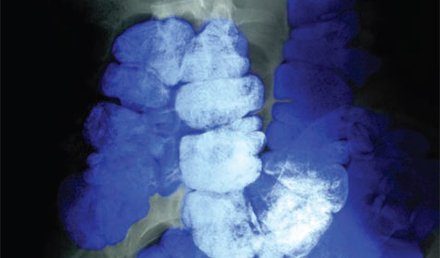
Management of Patients Presenting with Constipation
Urgent message: Constipation can be a sign of serious – even life-threatening – etiologies. Once non-benign causes have been ruled out, emphasis should be on evacuation and dietary and lifestyle changes to prevent recurrence. Claire West, MD, Samuel M. Keim, MD, MS, and Peter Rosen, MD Introduction Constipation is a common complaint, accounting for approximately 2.5 million doctor visits annually. With increasing difficulty in obtaining a quick appointment with a primary care physician, more and …
Read More
January 2009
Managing Foot Fractures in Urgent Care
Second in a Two-part Series Urgent message: Acute injuries to the midfoot and hind foot require immediate treatment or emergent referral. Close attention to the location and mechanism of injury at the urgent care site may facilitate efficient care and prevent long-term disability. Phillip H. Disraeli MD, FAAFP In keeping with the tone of part 1 of this two-part series (JUCM, December 2008), this article will discuss the urgent care clinician’s approach to foot fractures …
Read More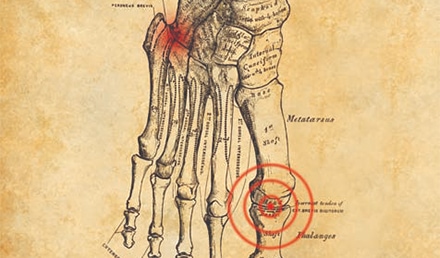
December 2008
November 2008
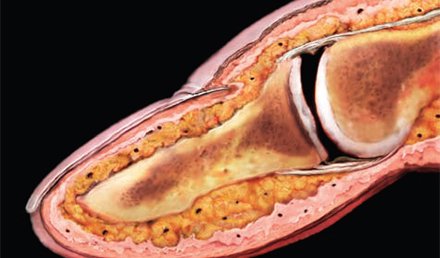
Assessment and Initial Care of Fingertip and Nailbed Injuries
Urgent message: Whether required due to a crushing blow or close contact with a sharp surface, proper initial care for fingertip and nailbed injuries is essential to good outcomes and can often be administered in the urgent care setting. Scott M. Zimmer, MD Fingertip injuries are one of the most common conditions seen in urgent care and emergency room settings. From door crush to table saw injuries, the proper initial care is vital in the …
Read More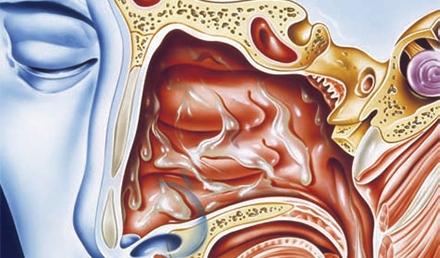
October 2008
Management of the Patient Presenting with Epistaxis
Urgent message: Though patients with posterior and bilateral epistaxis should be admitted to the hospital, the vast majority of epistaxis episodes can be treated safely and effectively in the urgent care setting. Nathaniel Arnone, MD, Samuel M. Keim, MD, MS, and Peter Rosen, MD Epistaxis is a common presenting complaint, with 15 per 10,000 people requiring medical attention each year.1 While the presence of blood in the pharynx can cause concern for both patients and …
Read More