This 49-year-old patient presented with a blow to the left elbow and had limited extension. View the image taken and consider what your diagnosis would be.
Read More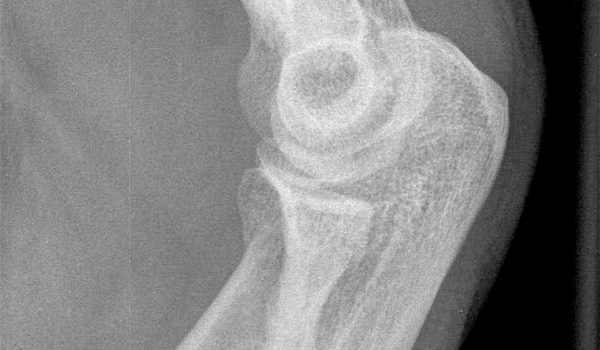

Practice Management
This 49-year-old patient presented with a blow to the left elbow and had limited extension. View the image taken and consider what your diagnosis would be.
Read More
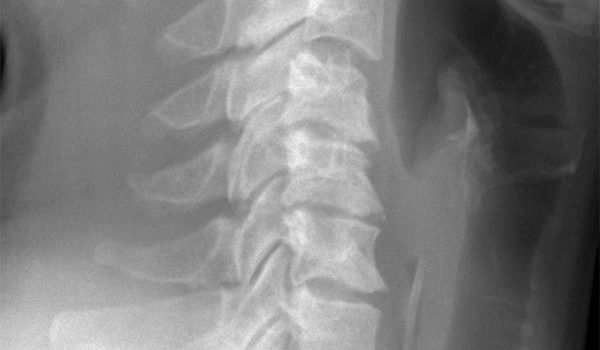
This 56-year-old patient swallowed a chicken bone and feels a foreign body lodged in the trachea. View the image taken and consider what your diagnosis and next steps would be.
Read MoreThe patient, an otherwise healthy 22- year-old, fell on his back and now is experiencing significant mid-back pain. View the image taken (Figure 1) and consider what your diagnosis and next steps would be. Resolution of the case is described on the next page.
Read More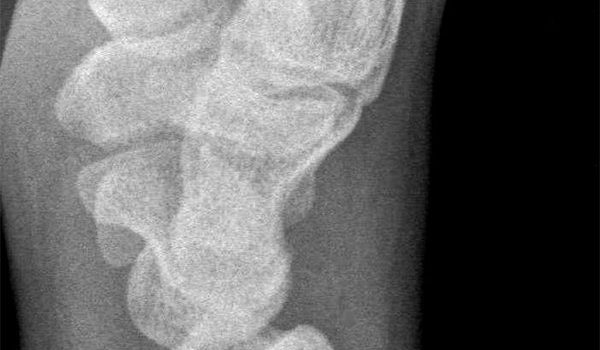
This 16-year-old patient presented with a blow to the left wrist. View the image taken and consider what your diagnosis would be.
Read More
Heparin-Binding Protein: A New Biomarker for Bacterial Meningitis Key point: A cerebrospinal fluid HBP level >20 ng/mL was 100% sensitive and 99.2% specific for bacterial meningitis in adults. Citation: Linder A, Akesson P, Studahl M, et al. Heparin- binding protein: a diagnostic marker of acute bacterial meningitis. Crit Care Med. 2011;39(4):812-817. To assess whether cerebrospinal fluid (CSF) levels of heparin- binding protein (HBP) can predict bacterial meningitis, re- searchers analyzed CSF samples in a prospective …
Read MoreIn each issue on this page, we report on research from or relevant to the emerging urgent care marketplace. This month, we offer a look at data from the 2010 Urgent Care Benchmarking Survey Results. These data are based on responses of 1,691 US urgent care centers; 32% were UCA members. The survey was limited to “full-fledged urgent care centers,” the qualifications for which included accepting walk-ins during all hours of operation, as well as …
Read MoreDAVID STERN, MD (Practice Velocity) Q.Can 99283 and 99214 procedure codes be used for an urgent care visit? The codes were used by an urgent care facility, and I am told that 99283 is categorized as an emergency room code. A.Code 99283 is for an emergency department visit for the evaluation and management of a new or established patient with an expanded problem focused history and examination and medical decision making of moderate complexity. Code 99214 …
Read MoreJOHN SHUFELDT, MD, JD, MBA, FACEP In the past, I have written about how to avoid getting named in a medical malpractice action. But it can often be instructive to view things from the opposite perspective. So this time, let’s turn it around and actually try to get named in a malpractice suit. It usually only takes one of the following misadventures: Practice bad medicine and have a bad outcome Practice good medicine, communicate/document poorly, …
Read More