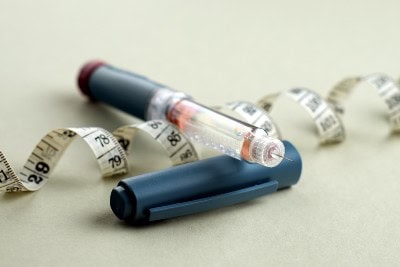
Oral GLP-1 Medication Begins Production in US

Oral GLP-1 Medication Begins Production in US

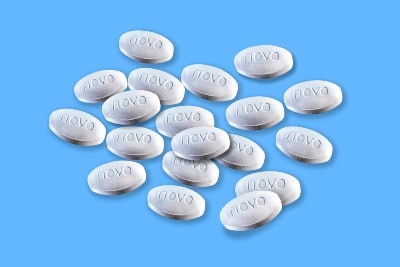
The Food and Drug Administration (FDA) has approved semaglutide tablets as the first oral GLP-1 medicine for obesity in adults. According to a press release, the once-daily pill is also indicated to reduce the risk of major adverse cardiovascular events including death, heart attack, or stroke in adults with overweight or obesity and cardiovascular disease. Previously only available as an injectable, semaglutide’s oral formulation could expand treatment for patients who are reluctant to use an …

Read More

Benefits Of Weight Loss Meds Don’t Last After Discontinuation

Benefits Of Weight Loss Meds Don’t Last After Discontinuation

In a post-hoc analysis of a trial that measured weight gain and cardiometabolic factors among participants who used tirzepatide for 36 weeks, researchers found that among participants with obesity who stopped tirzepatide, a large majority had regained much of their weight—and that majority also lost more of the cardiometabolic benefits compared to those who maintained their weight reduction. In other words, those who did not keep the weight off after stopping tirzepatide also lost the …

Read More
GLP-1 Users May Have Higher Risk For Chronic Cough

GLP-1 Users May Have Higher Risk For Chronic Cough

Use of glucagon-like peptide-1 receptor agonists (GLP-1RAs) may be associated with chronic cough, as published in JAMA Otolaryngology–Head & Neck Surgery. A large study of more than 2 million people with type 2 diabetes across 70 healthcare organizations suggests that adults prescribed a GLP-1RA had a 12% higher risk for developing a new cough persisting for more than 8 weeks, compared with people prescribed other medications, including dipeptidyl peptidase-4 (DPP-4) inhibitors, sodium-glucose cotransporter 2 (SGLT2) …

Read More
Patients, Telehealth Providers Stretch Weight Loss Drugs With Microdosing

Patients, Telehealth Providers Stretch Weight Loss Drugs With Microdosing

Trends show that some patients are choosing to microdose their glucagon-like peptide 1 receptor agonists (GLP-1RA) prescriptions for diabetes and weight loss, whether a provider advises it or not. It’s believed that microdosing can be helpful to quell significant gastrointestinal side effects or to titrate scheduled dosing with individualized provider recommendations, however, microdosing is still considered unconventional, according to the American Diabetes Association (ADA). For example, each semaglutide multidose pen delivers about 72 unnumbered “clicks” …

Read More
New Gastroparesis Guidelines Focus on First-Line Treatments

New Gastroparesis Guidelines Focus on First-Line Treatments

A new clinical practice guideline from the American Gastroenterological Association helps support physicians who are treating patients with gastroparesis. The condition is difficult to diagnose and treat, so the new guidelines outline the current state of the evidence for clinical options, as published in Gastroenterology. Part of the motivation for publishing the insight comes from possible new risks for gastroparesis related to glucagon-like peptide-1 (GLP-1) receptor agonists that are increasingly being used by patients for …

Read More
GLP-1 Drugs Increase Risk of Macular Degeneration

GLP-1 Drugs Increase Risk of Macular Degeneration

A recent study in JAMA Network Ophthalmology found that older adults with diabetes who were treated with glucagon-like peptide-1 receptor agonists (GLP-1 RAs) had a significantly higher risk of developing neovascular age-related macular degeneration (nAMD). The retrospective study, conducted from January 2020 to November 2023, followed patients for up to 3 years. It included individuals aged 66 years or older (46.6% female) who had a diagnosis of diabetes and at least 12 months of follow-up …

Read More
Trends Show More Teens Prescribed Weight Loss Drugs

Trends Show More Teens Prescribed Weight Loss Drugs

Use of semaglutide for weight loss among American teens is rising with new prescriptions increasing significantly, according to an analysis of 1.3 million electronic health records by Truveta and Reuters. The rate climbed from 9.9 prescriptions per 100,000 teens in 2023 to 14.8 in 2024. The average rate climbed further during the first 3 months of this year, reaching 17.3 new prescriptions per 100,000, according to Reuters. This growth also follows the American Academy of …

Read More
GLP-1 Drugs May Have Potential For Addiction Treatment

GLP-1 Drugs May Have Potential For Addiction Treatment

Patients taking glucagon-like peptide-1 (GLP-1) drugs like semaglutide for diabetes may have a lower risk of opioid drug overdose, according to a new study led by National Institute on Drug Abuse Director Nora Volkow, MD, published in JAMA Network Open. Previous empirical studies and anecdotal reports of fewer drug cravings among individuals with type 2 diabetes and comorbid opioid use disorder who use semaglutide inspired the study. Because the GLP-1 drugs are relatively new, there …

Read More
Liraglutide May Help Kids Under 12 Lose Weight

Liraglutide May Help Kids Under 12 Lose Weight

Liraglutide, the long-acting glucagon-like peptide-1 (GLP-1) drug, was approved for weight loss in among pediatric patients aged 12 and older who are obese. Recently, manufacturer Novo Nordisk found in a sponsored study that children between the ages of 6 and 12—a younger population—were able to reduce their body mass index by 7.4% in a 56-week trial using daily liraglutide injections, as published in the New England Journal of Medicine. The trial of 92 children met …

Read More
Log In