
Published on
Original author: Sean M. McNeeley
Originally published in 2014. Substantially updated and clinically reviewed in 2026 to reflect current evidence, guidelines, and urgent care practice.
INTRODUCTION
Traumatic dental injuries frequently accompany other trauma injuries, be they from falls, automobile accidents, or other causes. Although atraumatic dental conditions will likely not be encountered very often, it is important to be aware of the conditions described in this chapter. For most traumatic and atraumatic dental conditions, the urgent care provider will recommend follow-up with a general or specialty dentist.
The urgent care role is primarily to identify time-sensitive dental and airway emergencies, control pain and bleeding, provide limited interim treatment when appropriate, and arrange the correct level and timing of dental follow-up.
PRESENTATION
Although definitive dental care is usually not the goal in the acute care setting, it is well within the scope of urgent care practice to reduce symptoms, initiate treatment, and recommend follow-up care. Presentations can be subdivided into “traumatic” and “atraumatic” to further guide evaluation.
TRIAGE PEARLS
- Consider dental injury with any type of fall or facial injury.
- An avulsed permanent tooth is time-critical. Luxation injuries, displaced permanent teeth, and fractures with pulp exposure also require prompt dental evaluation.
- Evaluate immediately for airway or deep-space infection. Floor-of-mouth swelling or induration, tongue elevation, drooling, dysphagia, muffled voice, stridor, dyspnea, toxic appearance, or rapidly progressive submandibular swelling should prompt EMS transfer for possible Ludwig angina or another deep neck infection.
- Major facial trauma, malocclusion, uncontrolled oral bleeding, suspected mandibular/maxillary fracture, altered mental status, or associated ocular or neurologic injury warrants emergency-department evaluation.
HISTORY PEARLS
Trauma
- Mechanism of injury
- Loose teeth
- Bite abnormalities
- Trismus
- For avulsion, document the exact time of injury, whether the tooth is primary or permanent, extra-oral dry time, and any storage medium used.
- Ask whether a tooth or tooth fragment is missing; an unaccounted-for fragment may be embedded in soft tissue or, rarely, aspirated.
- Ask about associated jaw, facial, head, neck, and other trauma.
- Age matters because management of primary teeth differs substantially from management of permanent teeth.
- Confirm tetanus status when there are contaminated wounds or avulsion.
Atraumatic Pain
- Systemic symptoms—consider sinusitis, otitis, or viral illness.
- Dental hygiene
- Time interval since last dentist appointment and treatment, including recent extraction
- Pain—location, severity, and whether it is provoked by heat, cold, chewing, or percussion
- Swelling—location and speed of onset
- Change in phonation
- Trismus
- Drooling or dysphagia
- Gum disease or lesions
- Ask about immunocompromise, diabetes, recent antibiotics or corticosteroids, and medications that affect bleeding.
PHYSICAL EXAM PEARLS
Trauma
- Data from vital signs may indicate other injuries or more serious infection.
- Assess for other injuries, especially head and facial.
- Check jaw alignment and occlusion. Palpate for facial step-off, focal tenderness, swelling, and mandibular instability.
- Examine the eyes when facial trauma is present: visual acuity when feasible, extraocular movements, pupils, globe position, and evidence of ocular injury.
- Inspect the oral cavity carefully for missing teeth, fractures, mobility, displacement, lacerations, gingival injury, and active bleeding.
- Palpate the floor of the mouth and submandibular tissues; inspect for tongue elevation, induration, drooling, and airway compromise.
Atraumatic Pain
- Airway compromise
- Fever
- Localized redness or swelling
- Gum swelling or masses
- Lesions such as ulcers
- Tongue elevation or floor-of-mouth swelling
- Tonsillar or posterior pharyngeal lesions
- Trismus
- Cervical lymphadenopathy or parotid swelling/tenderness
TESTING PEARLS
- Most isolated dental pain does not require laboratory testing in urgent care.
- Dental radiographs (periapical, occlusal, or panoramic views) are generally more useful than standard facial radiographs for tooth and alveolar injury and are usually obtained in a dental setting.
- If a tooth fragment is unaccounted for and there is an associated lip or cheek laceration, consider soft-tissue imaging for a retained fragment.
- Maxillofacial CT is preferred when a mandibular, maxillary, complex midface, or other clinically significant facial fracture is suspected.
- For suspected deep neck infection, do not delay emergency transfer for testing. Contrast-enhanced CT is typically performed at the receiving hospital if the airway is stable enough for imaging.
DIAGNOSIS PEARLS
Trauma
- Tooth injury can present some time after the causative injury; in fact, the patient may report no symptoms at the time of injury.
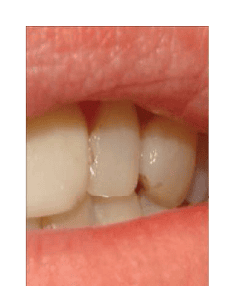
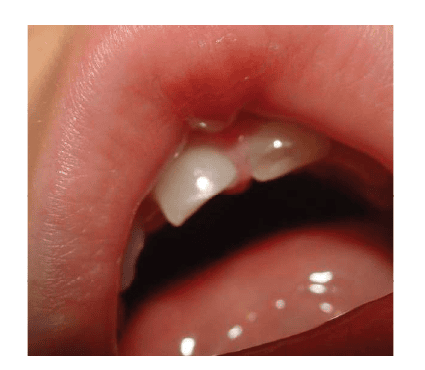
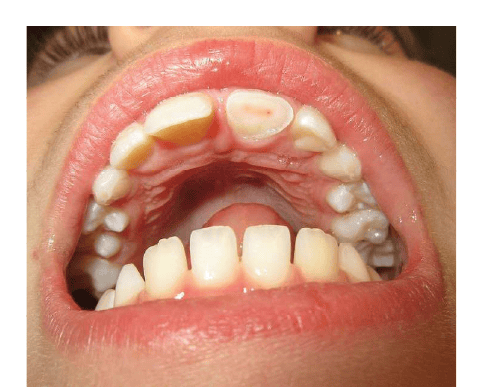
- Avulsion: the tooth is completely out of the socket.
- Extrusive luxation: the tooth is partially displaced out of the socket and often appears elongated and mobile.
- Intrusive luxation: the tooth is displaced apically into the alveolar bone.
- Subluxation: the tooth is mobile without displacement.
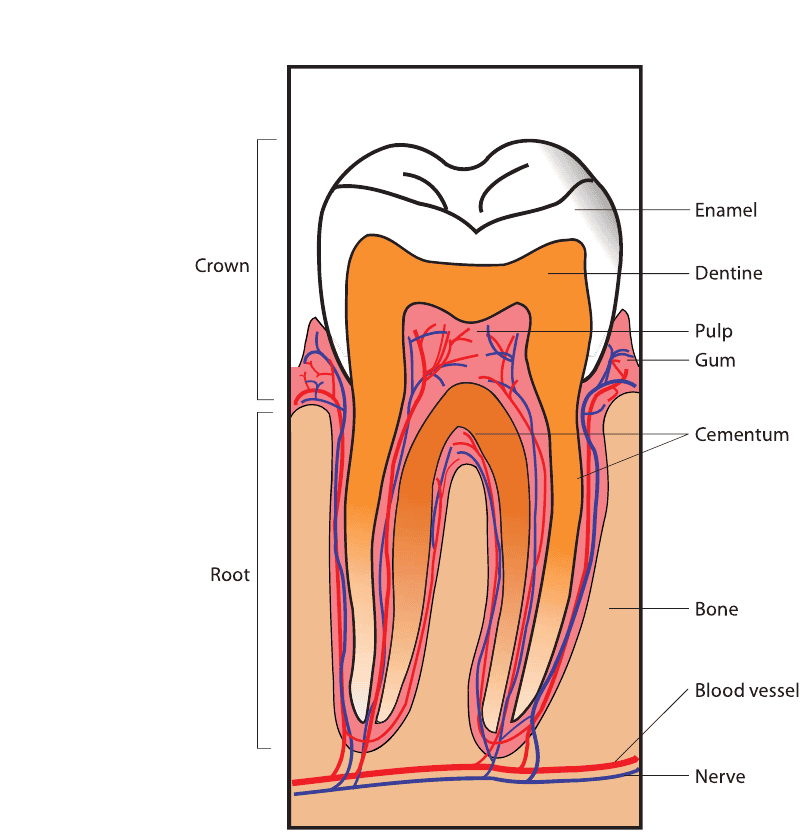
- Crown fractures are best described by the tissue involved—enamel only, enamel and dentin, or enamel-dentin-pulp (“complicated” crown fracture). The traditional Ellis I/II/III terminology may still be encountered in urgent care.
Atraumatic Pain
- Irreversible pulpitis often produces spontaneous or lingering thermal pain; definitive treatment is dental (pulpotomy, root canal therapy, or extraction).
- Localized acute apical abscess usually produces focal swelling and tenderness adjacent to a tooth. Fever, malaise, diffuse facial swelling, cellulitis, trismus, dysphagia, or rapidly progressive infection suggests spread beyond a localized dental process.
- Pericoronitis around a partially erupted third molar can cause local pain and swelling and may progress to trismus or deeper infection.
- Ludwig angina is a rapidly spreading cellulitis of the floor of the mouth and submandibular spaces and can cause sudden airway compromise.
- Dry socket (alveolar osteitis) occurs after extraction when the socket loses its protective clot and typically causes severe pain without the diffuse swelling and systemic illness expected with spreading infection.
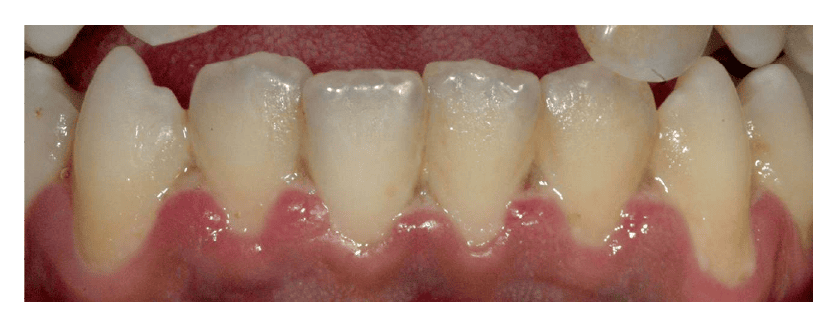
- Gingivitis presents as diffuse gingival erythema and inflammation, usually related to plaque and poor oral hygiene.
- Necrotizing ulcerative gingivitis presents with painful “punched-out” interdental papillae, gingival bleeding, halitosis, and necrotic pseudomembrane.
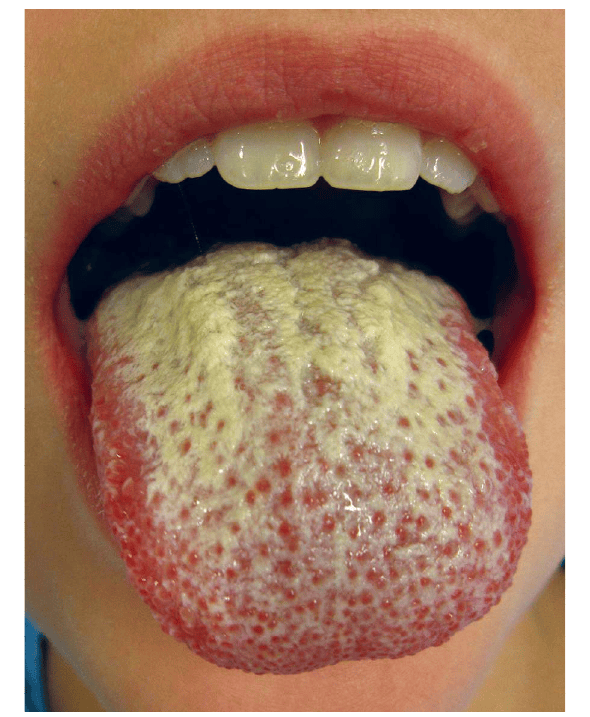
- Oral candidiasis (thrush) presents with white plaques that can usually be wiped away, leaving an erythematous surface; recent antibiotics, inhaled/systemic corticosteroids, dentures, diabetes, and immunocompromise are common risk factors.
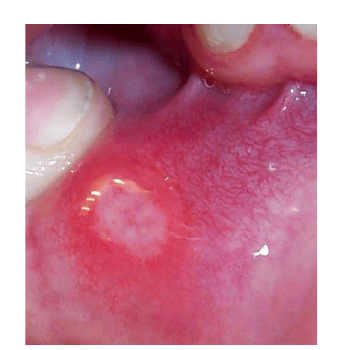
- Aphthous stomatitis consists of one or more painful, shallow ulcers with a gray-white base and erythematous halo, usually on nonkeratinized mobile mucosa.
- Primary herpetic gingivostomatitis may cause diffuse painful oral vesicles/ulcers with systemic symptoms; recurrent herpes more often involves the lips or keratinized oral mucosa.
TREATMENT AND DISPOSITION PEARLS
- Dental follow-up should be recommended to all patients with possible injury to the teeth.
- Some teeth cannot be saved.
- NSAIDs alone or in combination with acetaminophen are first-line therapy for most acute dental pain in adolescents and adults when not contraindicated. Opioids should be reserved for uncommon situations in which first-line therapy is inadequate or contraindicated; avoid routine “just-in-case” opioid prescriptions. [4]
- Local infiltration or a dental nerve block can provide useful temporary analgesia when the clinician is trained in the technique.
Antibiotics
- Do not routinely prescribe antibiotics for uncomplicated irreversible pulpitis, symptomatic apical periodontitis, or a localized acute apical abscess in an immunocompetent adult when definitive dental treatment can be arranged. Dental source control is the priority. [5]
- Antibiotics are appropriate when there is systemic involvement (for example fever or malaise), spreading cellulitis/deep-space infection, or a patient-specific reason that substantially increases risk. [5]
- When antibiotics are indicated for a pulpal/periapical infection in an immunocompetent adult, amoxicillin or penicillin V are typical first-line choices; ADA guidance uses short courses (generally 3–7 days), reassessment within about 3 days, and discontinuation 24 hours after symptoms resolve. [5]
- Routine antibiotic prophylaxis is not indicated for uncomplicated oral lacerations or most dental trauma. Replanted avulsed permanent teeth are an important exception; IADT recommends systemic antibiotics after replantation. [2]
- Antiseptic mouthwash can be useful for selected gingival conditions, but it does not replace brushing, flossing, dental cleaning, or definitive dental treatment.
Anesthesia
- Local anesthetic infiltration or regional dental blocks with lidocaine or bupivacaine can reduce pain and facilitate examination or limited procedures.
- Topical benzocaine should be used cautiously because of the risk of methemoglobinemia and should not be used for teething or in children younger than 2 years. [6]
Avulsions
- First determine whether the avulsed tooth is permanent. Primary teeth should not be replanted. [2,3]
- Handle an avulsed permanent tooth only by the crown. If dirty, rinse gently with milk, saline, or the patient’s saliva; do not scrub the root. Immediate replantation is preferred when feasible and the clinician is comfortable doing so. [2]
- If immediate replantation is not performed, keep the tooth moist. Preferred readily available storage media include milk or Hank’s Balanced Salt Solution; saliva or saline are alternatives. Do not allow the tooth to dry. [2]
- Extra-oral dry time strongly affects prognosis. Teeth replanted immediately or within about 15 minutes have the best chance of periodontal-ligament survival; dry time longer than 60 minutes carries a poor long-term prognosis, although replantation may still be appropriate and should be decided with dental expertise. [2]
- Arrange immediate dental evaluation for repositioning confirmation and flexible splinting. Check tetanus status and, after replantation, provide systemic antibiotics as recommended by IADT. [2]
Luxation Injuries
- Extrusive luxation of a permanent tooth generally requires prompt repositioning and flexible splinting by a dentist. If trained and dental care is not immediately available, gentle repositioning may be considered, but forceful manipulation should be avoided. [1]
- Intrusive luxation should not be routinely repositioned in urgent care. Management depends on depth of intrusion, root maturity, and age and may involve spontaneous re-eruption, orthodontic repositioning, or surgical repositioning. Arrange urgent dental evaluation. [1]
- Subluxation often requires no active treatment beyond a soft diet and dental follow-up; a flexible splint may be used by a dentist when mobility or discomfort is substantial. [1]
- Primary-tooth luxation injuries are managed differently from permanent-tooth injuries; avoid routine replantation, repositioning, splinting, or extraction without pediatric dental guidance unless there is an immediate airway/aspiration issue. [3]
Fractured Teeth
- Enamel-only crown fractures are usually nonurgent; sharp edges can be protected temporarily and the patient should see a dentist.
- Enamel-dentin fractures should have the exposed dentin covered when feasible with a temporary dental material such as glass ionomer/bonding material and should receive prompt dental evaluation. [1]
- A crown fracture with pulp exposure requires urgent same-day dental care. Contemporary dental management generally attempts to preserve pulp vitality when possible rather than simply covering the pulp and delaying care. [1]
Irreversible Pulpitis
- Definitive care is dental and may require pulpotomy, root canal therapy, or extraction.
- Use NSAID-based analgesia, with acetaminophen added when appropriate. Antibiotics do not treat uncomplicated pulpitis and should not be prescribed in the absence of systemic or spreading infection. [4,5]
Apical Infection and Dental Abscess
- Arrange urgent definitive dental treatment. Incision and drainage or endodontic/extraction treatment provides source control when appropriate.
- Localized swelling without systemic illness does not automatically require antibiotics; prescribe antibiotics when fever, malaise, cellulitis, deep-space spread, or high-risk host factors are present. [5]
- Facial swelling with trismus, dysphagia, floor-of-mouth elevation, toxic appearance, or rapidly progressive infection requires emergency transfer.
Impacted Wisdom Tooth / Pericoronitis
- Local irrigation, oral hygiene, and analgesia are reasonable initial measures. Arrange dental follow-up for definitive management or extraction. Antibiotics are reserved for systemic illness or spreading infection.
Ludwig Angina
- Ludwig angina is an airway emergency.
- Call EMS and transfer immediately. Airway protection takes priority; do not delay transfer for imaging or outpatient treatment. Hospital management includes broad-spectrum intravenous antibiotics, early airway planning, and surgical source control when indicated. [7]
Dry Socket
- Gentle socket irrigation and nonopioid analgesia are appropriate initial measures; arrange dental follow-up for local dressing and definitive care.
- Dry socket is inflammatory rather than a spreading bacterial infection, so routine systemic antibiotics are not indicated in the absence of infection.
Gingivitis and Necrotizing Periodontal Disease
- Simple gingivitis is treated with improved oral hygiene and professional dental cleaning; antibiotics are rarely useful.
- Necrotizing ulcerative gingivitis requires prompt dental debridement, meticulous oral hygiene, and often chlorhexidine rinses. Systemic antibiotics may be needed when there is fever, malaise, lymphadenopathy, immune compromise, or spreading infection; avoid routine prolonged multi-antibiotic regimens for every case.
Thrush
- For mild oropharyngeal candidiasis, topical therapy such as nystatin suspension remains an option; moderate to severe disease generally requires oral fluconazole. Typical treatment duration is 7–14 days. [8]
- Look for a predisposing factor such as recent antibiotics, corticosteroid exposure, dentures, diabetes, or immunocompromise when thrush is new or recurrent.
Aphthous Stomatitis
- Topical corticosteroid dental paste such as triamcinolone acetonide 0.1% can reduce symptoms when started early.
- Frequent, unusually large, persistent, or multisite ulcers should prompt consideration of systemic disease, medication effects, nutritional deficiency, or immunologic disorders.
Herpes Simplex
- Supportive care is sufficient for many mild recurrent lesions. Oral antiviral therapy is most useful when started early for significant primary gingivostomatitis or selected severe/recurrent disease; topical antivirals provide less benefit for intraoral disease.
Oral Lacerations
- Many small tongue, gingival, buccal, and palatal lacerations heal without repair.
- Consider repair or specialty evaluation for uncontrolled bleeding, gaping wounds at rest, large flaps, through-and-through injuries, tissue loss, tongue-tip injuries, or wounds that impair function; a fixed 2-cm rule alone should not determine repair.
- Through-and-through facial/oral wounds, suspected duct injury, deep soft-palate injury, or associated fracture may require emergency or specialty evaluation.
MEDICOLEGAL PEARLS
- Document airway patency and the absence or presence of floor-of-mouth induration, tongue elevation, drooling, dysphagia, voice change, trismus, and rapidly progressive swelling when infection is present.
- For dental trauma, document which tooth is involved, whether it is primary or permanent, mobility/displacement/fracture depth, occlusion, missing fragments, associated facial injury, and tetanus status.
- For avulsion, document the time of injury, extra-oral dry time, storage medium, handling of the root, whether replantation occurred, and the timing/plan for dental follow-up.
- Look for facial, lip, and oral lesions that raise suspicion for malignancy; persistent or suspicious lesions should be referred for dental/oral surgery evaluation and possible biopsy.
- Dental or oral infections in immunocompromised patients or those with poorly controlled diabetes deserve a lower threshold for escalation and close follow-up.
REFERENCES
- Bourguignon C, Cohenca N, Lauridsen E, et al. International Association of Dental Traumatology guidelines for the management of traumatic dental injuries: 1. Fractures and luxations. Dent Traumatol. 2020;36(4):314-330. doi:10.1111/edt.12578.
- Fouad AF, Abbott PV, Tsilingaridis G, et al. International Association of Dental Traumatology guidelines for the management of traumatic dental injuries: 2. Avulsion of permanent teeth. Dent Traumatol. 2020;36(4):331-342. doi:10.1111/edt.12573.
- Day PF, Flores MT, O’Connell AC, et al. International Association of Dental Traumatology guidelines for the management of traumatic dental injuries: 3. Injuries in the primary dentition. Dent Traumatol. 2020;36(4):343-359. doi:10.1111/edt.12576.
- Carrasco-Labra A, Polk DE, Urquhart O, et al. Evidence-based clinical practice guideline for the pharmacologic management of acute dental pain in adolescents, adults, and older adults. J Am Dent Assoc. 2024;155(2):102-117.e9. doi:10.1016/j.adaj.2023.10.009.
- Lockhart PB, Tampi MP, Abt E, et al. Evidence-based clinical practice guideline on antibiotic use for the urgent management of pulpal- and periapical-related dental pain and intraoral swelling. J Am Dent Assoc. 2019;150(11):906-921.e12. doi:10.1016/j.adaj.2019.08.020.
- US Food and Drug Administration. Risk of serious and potentially fatal blood disorder prompts FDA action on oral over-the-counter benzocaine products used for teething and mouth pain. Updated 2018; safety information remains current.
- Bridwell R, Gottlieb M, Koyfman A, Long B. Diagnosis and management of Ludwig’s angina: an evidence-based review. Am J Emerg Med. 2021;41:1-5. doi:10.1016/j.ajem.2020.12.030.
- Pappas PG, Kauffman CA, Andes DR, et al. Clinical practice guideline for the management of candidiasis: 2016 update by the Infectious Diseases Society of America. Clin Infect Dis. 2016;62(4):e1-e50. doi:10.1093/cid/civ933.